What to Expect During Your Solar Installation: A Step-by-Step Guide
Initial Consultation and Assessment
Embarking on your solar installation journey begins with an initial consultation. During this phase, a professional solar consultant will assess your energy needs, roof space, and budget. This is a crucial step to ensure that the solar system recommended is tailored to your specific requirements.
The consultant will also examine your current energy usage patterns and discuss potential savings. Understanding your goals, whether it's reducing energy bills or minimizing your carbon footprint, helps in designing the ideal system for you.
Site Survey and Design
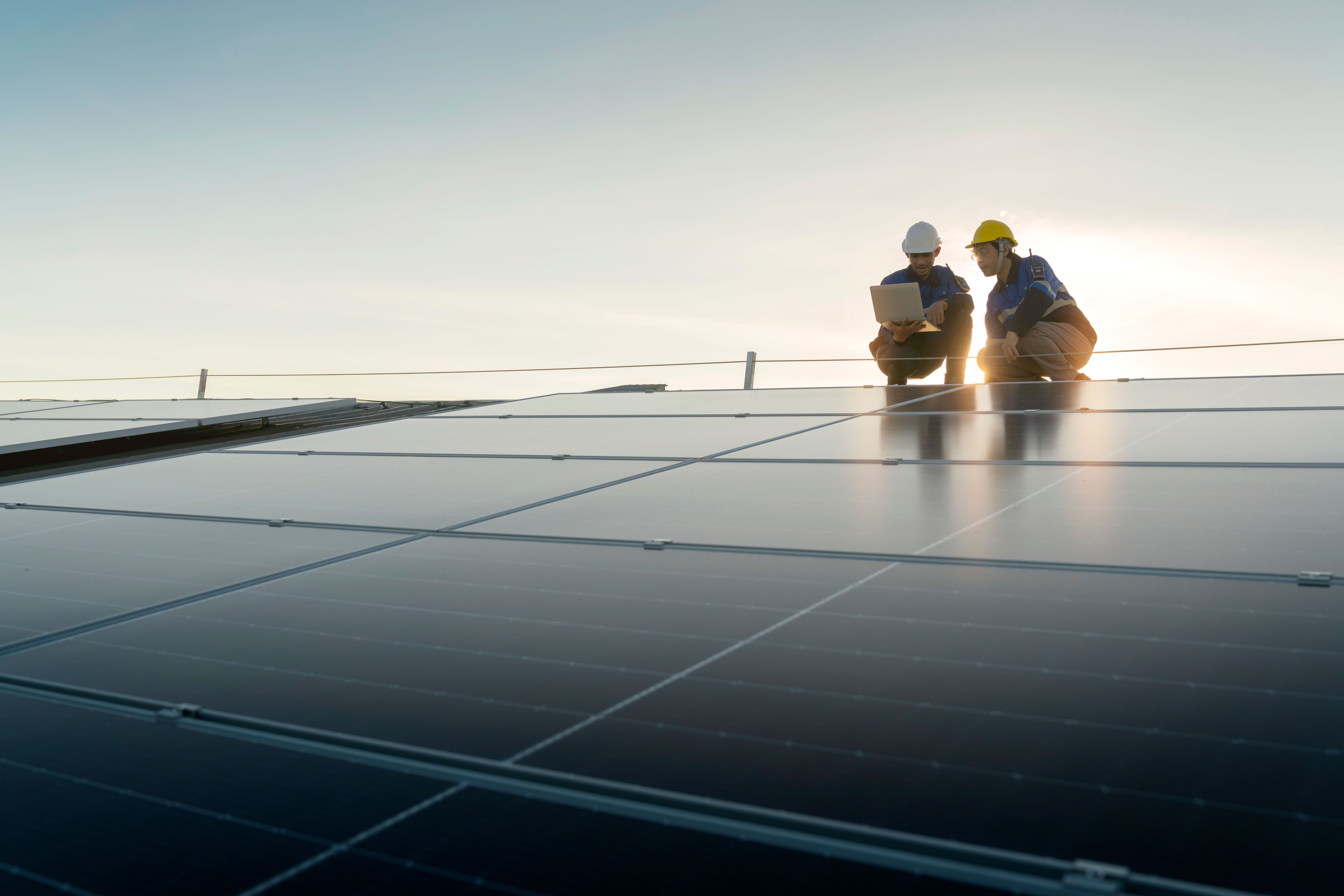
Following the initial consultation, a detailed site survey is conducted. Technicians will visit your property to evaluate roof condition, shading, and orientation. This assessment is essential for designing a system that maximizes sunlight exposure and efficiency.
Once the survey is complete, the design phase begins. Engineers will create a custom solar panel layout, taking into account all the data collected. This design will be presented to you for approval before moving forward.
Permits and Approvals
Before installation, obtaining the necessary permits and approvals is crucial. Your solar provider will typically handle this process, ensuring compliance with local regulations and utility requirements. This step can take some time, so patience is key.
It's important to note that approval processes vary depending on your location. Some areas might require additional reviews or inspections before granting permits.

Installation Day
On the day of installation, a team of skilled technicians will arrive at your property to set up the solar panels. The process usually takes one to three days, depending on the complexity and size of the system. Technicians will mount the panels on your roof and connect them to the inverter.
During installation, technicians will ensure that all components are securely in place and functioning correctly. They will also install the necessary wiring to connect your solar system to the electrical grid.
System Inspection and Activation
After installation, a thorough inspection is conducted to ensure everything is up to code and functioning properly. This inspection is typically carried out by a local government official or utility representative.
Once your system passes inspection, it's time for activation. Your solar provider will guide you through the process of turning on your system and connecting it to the grid. This moment marks the beginning of your journey towards energy independence.

Monitoring and Maintenance
After your solar system is up and running, monitoring its performance is essential. Most modern systems come with monitoring software that allows you to track energy production and consumption in real-time.
Regular maintenance is minimal but important. Cleaning the panels periodically and checking for any debris or obstructions can ensure optimal performance. Most providers offer maintenance packages or can advise on best practices.
Enjoying the Benefits
With your solar installation complete, you can start enjoying the numerous benefits. Reduced energy bills, increased property value, and a smaller carbon footprint are just a few of the advantages that come with solar energy.
Over time, you'll notice significant savings and a positive impact on the environment. Embracing solar power is not just a smart financial decision; it's a commitment to a sustainable future.

By understanding each step of the solar installation process, you can approach your transition to renewable energy with confidence and excitement. Welcome to a brighter, greener future!