Understanding Solar Panel Warranties: Protecting Your Investment for the Long Haul
Understanding Solar Panel Warranties
Investing in solar panels is a significant decision that promises long-term savings and environmental benefits. However, to ensure you get the most out of your investment, it's crucial to understand the warranties that come with your solar panels. These warranties provide a safety net, ensuring that your system delivers optimal performance over its lifetime.
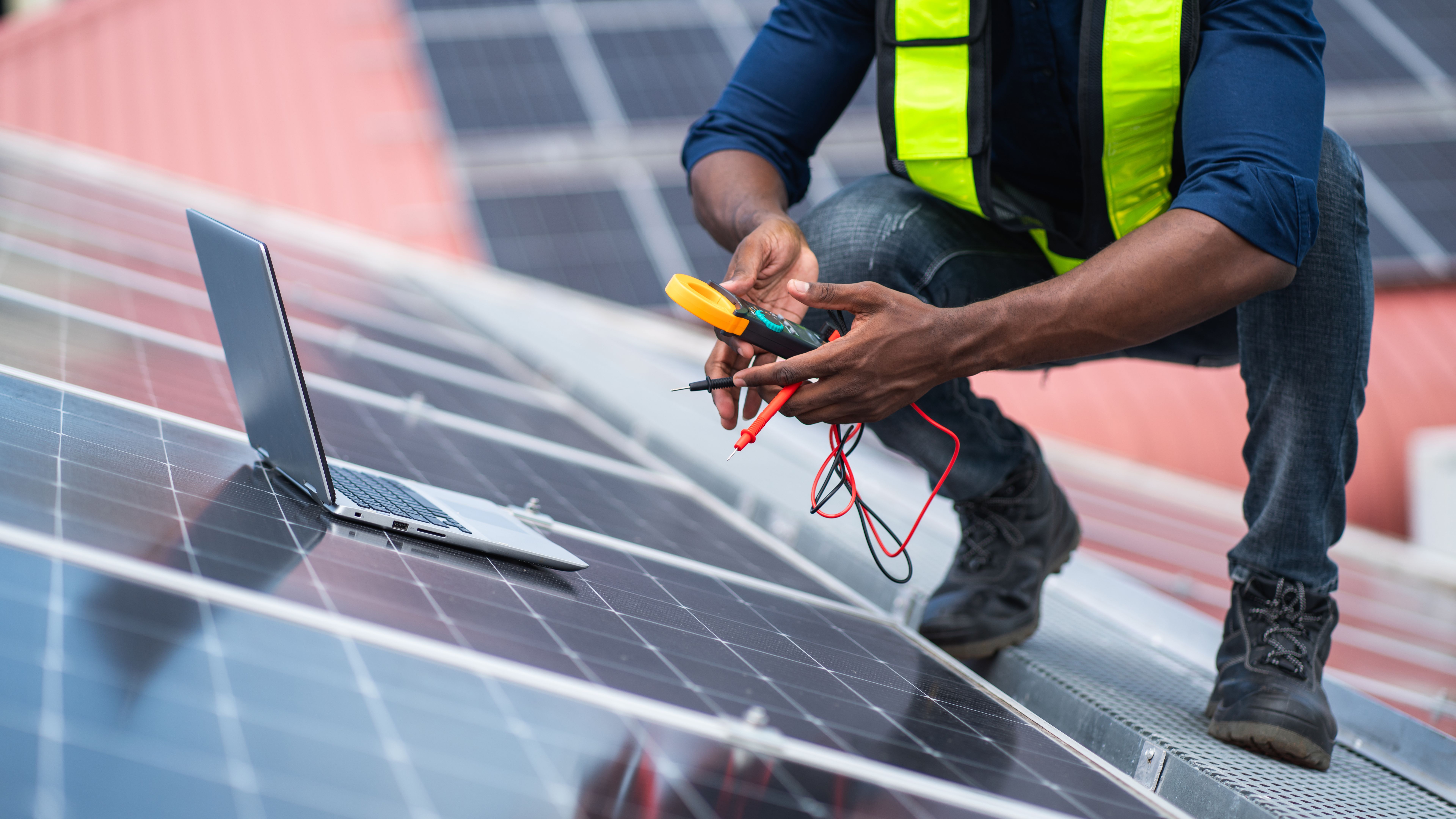
Types of Solar Panel Warranties
Solar panel warranties typically fall into two main categories: performance warranties and product warranties. Each type serves a different purpose, and understanding both is essential for protecting your investment.
Performance warranties guarantee that the panels will produce a certain amount of energy over a specified period, usually 25 years. This ensures that the panels will not degrade beyond a certain percentage, typically around 10-20% of their original output.
Product warranties, on the other hand, cover manufacturing defects and material failures. These warranties are generally shorter, around 10-15 years, but they are crucial for addressing issues that might arise due to faulty components.
Why Warranties Matter
Solar panel warranties are vital because they provide peace of mind and financial protection. Without a warranty, you could be left covering the costs of repairs or replacements out of pocket, which can be expensive. A comprehensive warranty ensures that any unexpected issues are handled without additional financial strain.
Moreover, warranties often reflect the manufacturer's confidence in their product. A longer, more comprehensive warranty can be a sign of high-quality panels and reliable performance.
Reading the Fine Print
When evaluating solar panel warranties, it's essential to read the fine print carefully. Look for specific details about what is covered, the length of the coverage, and any conditions that might void the warranty. Pay close attention to clauses regarding maintenance requirements and installation methods, as these can impact your coverage.
Also, check whether the warranty covers the cost of labor for repairs and replacements. Some warranties only cover the panels themselves, leaving you responsible for any labor costs.

Tips for Maximizing Warranty Benefits
- Keep detailed records of all maintenance and inspections to ensure compliance with warranty conditions.
- Hire qualified professionals for installation and maintenance to prevent voiding the warranty.
- Register your panels with the manufacturer to activate the warranty coverage.
By following these tips, you can make sure your solar panels remain protected and continue to deliver the energy savings you expect.
Conclusion
Understanding solar panel warranties is a critical step in safeguarding your investment. By familiarizing yourself with the types of warranties available and their specific terms, you can ensure that your solar panels will perform effectively for many years to come. Remember, a well-protected solar panel system is not just a financial asset but a step toward a more sustainable future.