Innovations in Solar Technology: What’s Next for Solar Panels?
Introduction to Solar Innovations
Solar technology has come a long way since its inception. With the global push for renewable energy, innovations in solar panels are evolving rapidly. These advancements not only aim to increase efficiency but also make solar energy more accessible and sustainable.

Enhanced Efficiency with Perovskite Solar Cells
One of the most promising developments in solar technology is the use of perovskite solar cells. These cells are known for their high efficiency and low production costs. Unlike traditional silicon-based panels, perovskite cells can be manufactured using simpler processes and more abundant materials.
Research continues to focus on improving the stability and scalability of perovskite cells, which could revolutionize the solar industry by making solar power more affordable and efficient.
Flexible and Lightweight Panels
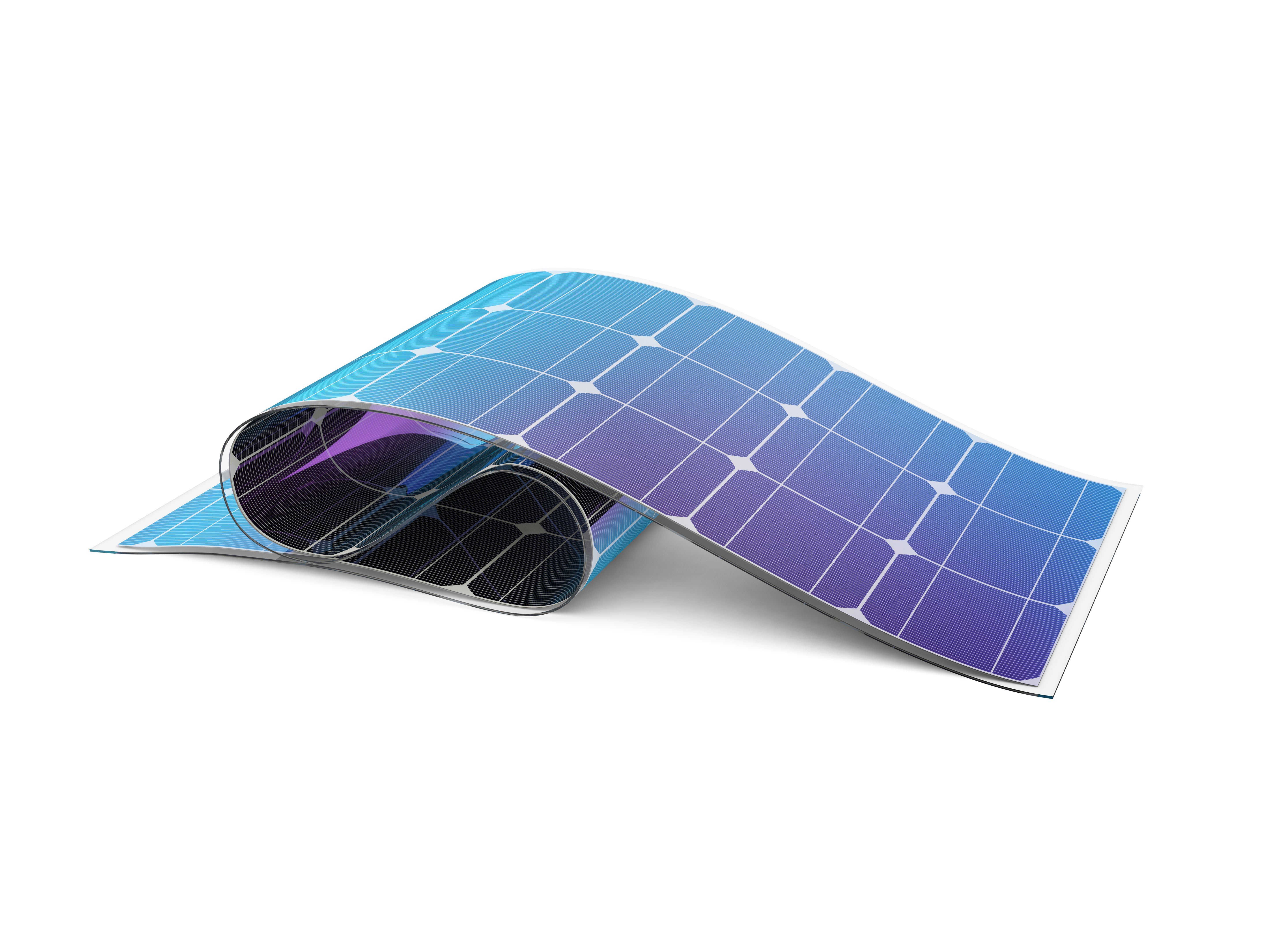
Another exciting innovation is the creation of flexible and lightweight solar panels. These panels can be integrated into various surfaces, opening up new possibilities for solar applications. From portable chargers to solar-powered clothing, the potential uses are vast and varied.
Bifacial Solar Panels: Maximizing Energy Capture
Bifacial solar panels are designed to capture sunlight on both sides, significantly increasing energy output. By harnessing the reflected sunlight from the ground, these panels can generate more power without requiring additional space.
This technology is particularly beneficial in areas with highly reflective surfaces, such as snowy regions or deserts, where the albedo effect can be maximized.
Floating Solar Farms
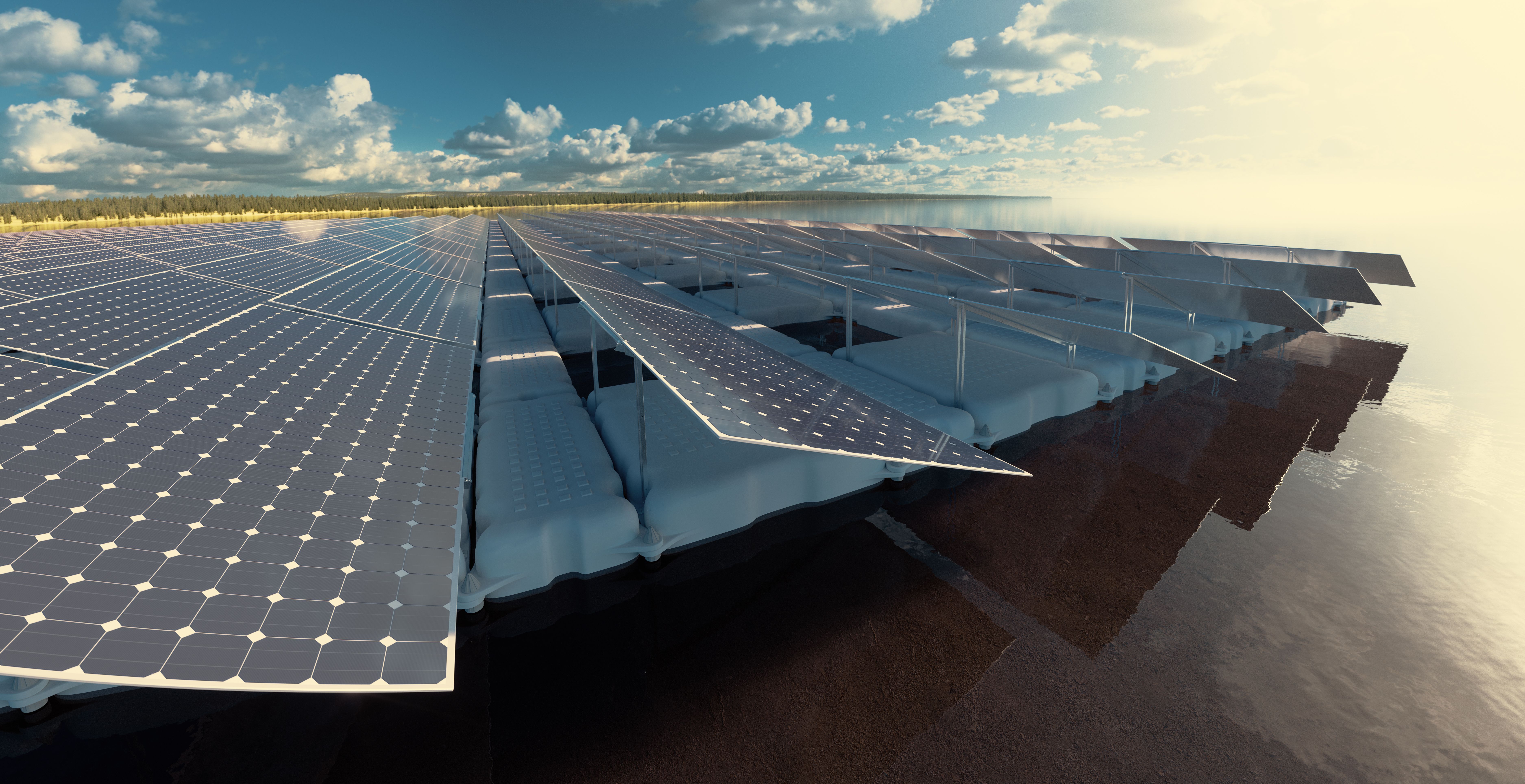
Floating solar farms are gaining traction as a solution to land scarcity and water evaporation. By placing solar panels on bodies of water, these installations can help preserve land for agriculture and reduce water loss through evaporation.
Smart Solar Panels with IoT Integration
The integration of Internet of Things (IoT) technology in solar panels is paving the way for smarter energy solutions. IoT-enabled panels can communicate real-time performance data, allowing for better monitoring and maintenance.
This connectivity ensures that solar systems operate at optimal efficiency, reducing downtime and improving energy management.
Conclusion: The Future of Solar Technology
The future of solar technology is bright, with continuous innovations driving the industry forward. From advanced materials to smart systems, these developments promise to make solar energy more efficient, accessible, and sustainable.
As we continue to embrace renewable energy, the ongoing advancements in solar technology will play a crucial role in our transition to a cleaner and more sustainable future.