How Solar Panel Financing Options Differ by State and Province
As the demand for sustainable energy solutions grows, many homeowners and businesses are exploring solar panels as a viable option. However, financing these installations can vary significantly depending on your location. Whether you're in the United States or Canada, understanding the different financing options available by state and province can help you make an informed decision.
Government Incentives and Rebates
One of the primary ways states and provinces encourage solar panel adoption is through government incentives and rebates. These can significantly reduce the upfront cost of installation. In the United States, the federal Investment Tax Credit (ITC) offers a substantial deduction, but individual states may offer additional rebates. For example, California provides various local incentives, while New York has a state tax credit for solar installations.
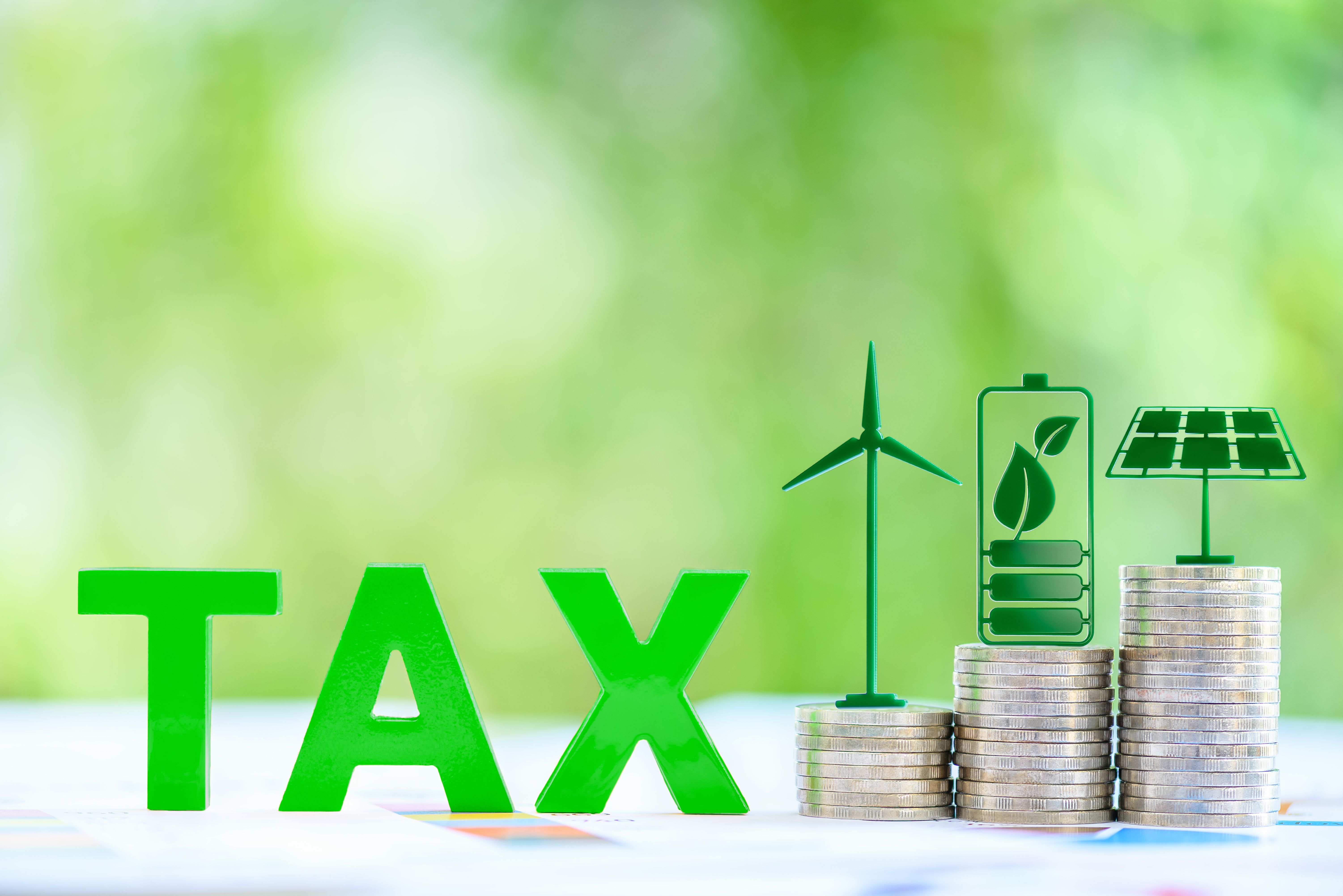
In Canada, provinces like Ontario and Quebec have specific programs aimed at promoting solar energy. Ontario's Net Metering Program allows homeowners to send excess energy back to the grid, reducing overall costs. Quebec offers rebates through its Transition énergétique Québec program, which supports residential and commercial solar projects.
Loan Programs
Another popular financing option is solar loans. These allow homeowners to pay for their solar systems over time, often with favorable interest rates. In the U.S., states like Massachusetts and New Jersey offer state-sponsored loan programs with low interest rates, making solar more accessible. These loans can be secured or unsecured, depending on the state's regulations.
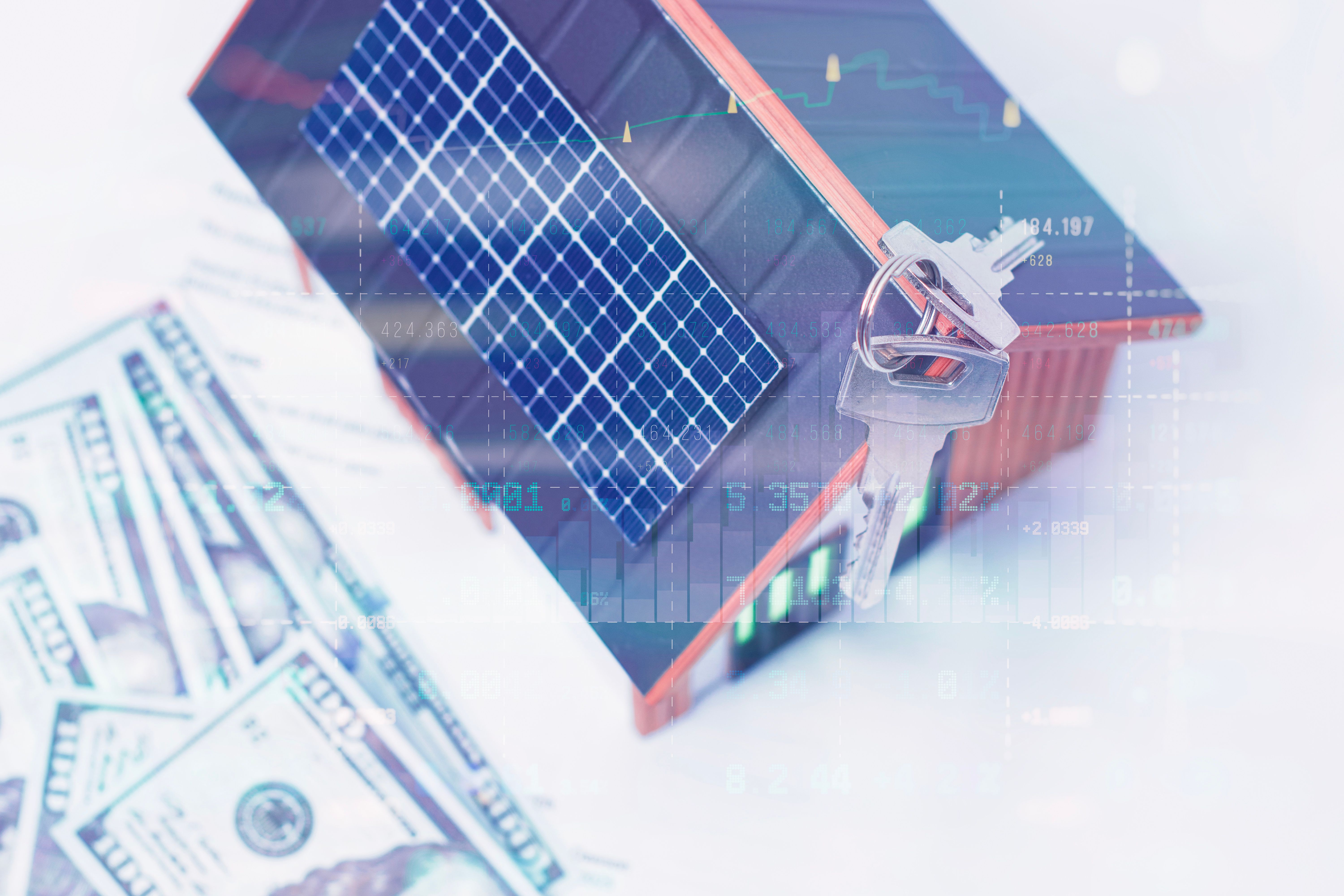
Canadian provinces also have their own loan programs. For instance, British Columbia offers financing through its CleanBC program, which includes loans for renewable energy projects. These loan programs can be an excellent option for those who prefer spreading payments over several years.
Leasing and Power Purchase Agreements (PPAs)
Leasing and Power Purchase Agreements (PPAs) are alternatives that allow individuals to adopt solar without the burden of upfront costs. In the U.S., states like Arizona and Florida have seen a rise in these agreements, where a third party owns and maintains the solar panels, and the homeowner pays for the energy produced.
In Canada, leasing options are less common but are starting to gain traction in provinces like Alberta. These agreements can be particularly beneficial for those who want to avoid the responsibility of maintenance and repairs.
Regional Differences and Considerations
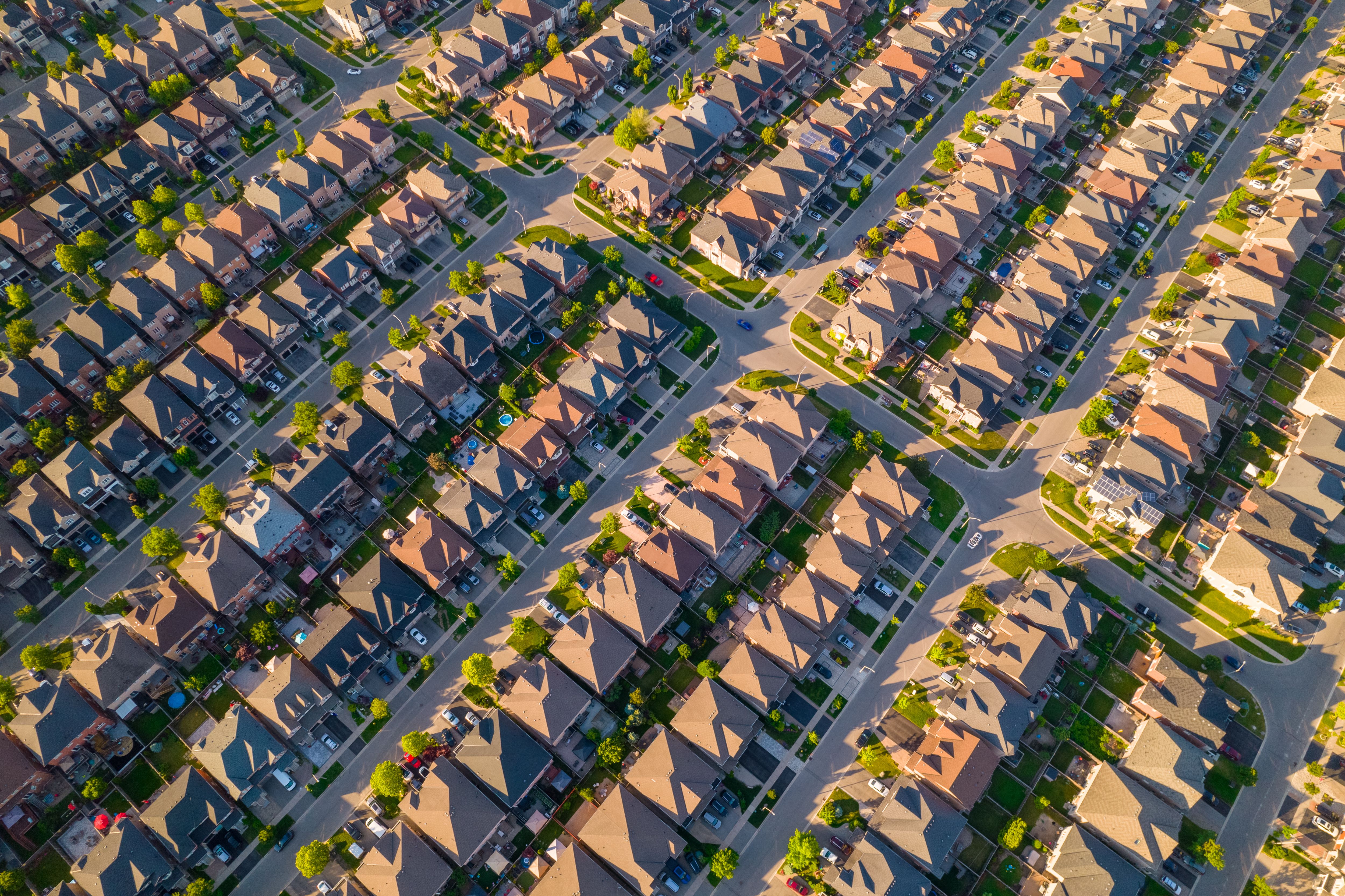
It's essential to consider regional differences when exploring solar financing options. Factors like local climate, electricity rates, and solar panel efficiency can influence the overall savings and return on investment. States and provinces with higher sunlight exposure, such as Arizona or Alberta, generally see quicker returns on solar investments.
Additionally, some regions have unique regulations and policies that impact solar financing. For instance, net metering laws, which allow homeowners to sell excess energy back to the grid, vary widely and can affect the financial viability of solar projects.
Conclusion
Understanding the diverse solar panel financing options available by state and province is crucial for making an informed decision. Whether through government incentives, loan programs, or leasing agreements, there are numerous ways to make solar energy affordable and accessible. By researching the specific options available in your area, you can take a significant step toward sustainable energy solutions.
As you explore solar panel financing, consider consulting with local experts or financial advisors to tailor a plan that best suits your needs and circumstances. With the right approach, solar energy can be a valuable investment for both your home and the environment.